 By
By 
Every home operates as a complex, interconnected system. From the roof shingles that deflect torrential summer rains to the buried drain pipes that carry wastewater away, each component relies on the health of the others. Yet, many homeowners default to a reactive approach, only addressing a system when it experiences a catastrophic breakdown. This breakdown-to-breakdown cycle is the most expensive way to manage property. Not only do emergency repairs carry a premium price tag, but the collateral damage from a single system failure can easily dwarf the cost of the initial problem.
The alternative is a philosophy of proactive preservation. By systematically auditing, upgrading, and maintaining the core infrastructure of your property, you protect the structural envelope, slash monthly operational costs, and significantly extend the functional lifespan of the building. A home that receives consistent, targeted care does not just maintain its financial equity; it delivers daily reliability, safety, and comfort.
Deflecting water away from your foundation

Water management is the single most important factor in preserving a home’s foundation. When heavy rain falls, thousands of gallons of water pour off the roof. If this volume isn’t captured and moved safely away, it pools around the foundation walls, causing immense hydrostatic pressure that forces its way through the concrete.
- Assess System Pitch and Stability: Gutters must be pitched perfectly toward downspouts, roughly a quarter-inch of drop for every ten feet of run, to prevent stagnant pooling and heavy sagging.
- Identify Critical Failing Signs: Look for pooling water near the foundation, peeling exterior paint, rusted hardware, or gaps forming between the fascia board and the rear gutter walls.
- Upgrade to Seamless Systems: Transitioning away from sectional options removes the joints where debris catches and leaks inevitably develop.
- Leverage Professional Expertise: Partnering with specialized gutter companies ensures the correct sizing of troughs and downspouts to handle your roof’s specific watershed volume.
- Extend Downspout Discharges: Install rigid or flexible underground extensions to deposit all collected rainwater at least six feet away from the perimeter of the home.
Upgrading your home’s primary defense layer
Siding acts as the protective skin of your home, keeping external moisture out while letting the wall cavity breathe. Older wood, failing hardboard, or cracked stucco siding can trap moisture against the framing, leading to hidden wood rot and termite infestations.
- Evaluate Material Degradation: Routinely check your current exterior surfaces for soft spots, warping, cracking, or any signs of insect penetration.
- Prioritize Modern Compositions: Invest in advanced, low-maintenance materials like fiber cement or thick-gauge vinyl that offer incredible resistance to warping, fading, and fire.
- Implement High-Quality House Wrap: A proper vapor barrier must be layered beneath the facade to act as a one-way valve, allowing interior moisture to escape while blocking liquid exterior water.
- Hire Certified Technicians: Working with experienced residential siding contractors guarantees that the complex flashing around window frames, doors, and roof intersections is executed correctly.
- Maintain Necessary Clearances: Keep a clear gap of at least six inches between the bottom edge of your siding and the ground soil to prevent moisture wicking and insect pathways.
Sealing the gaps in your thermal boundaries
Windows represent the most significant thermal weak points in the building envelope. Old, single-pane windows or double-pane units with failed seals are responsible for an immense amount of energy waste, forcing climate control systems to work double-time.
- Identify Air and Moisture Infiltration: Feel for physical drafts around window sashes during windy days and check for condensation trapped between double panes, which indicates a failed seal.
- Select High-Performance Glass: Look for multi-pane configurations filled with insulating argon gas and treated with low-emissivity coatings to reflect radiant heat back to its source.
- Ensure Proper Structural Squareness: Rough openings must be precisely measured and leveled so window sashes operate smoothly without binding or creating micro-gaps.
- Schedule Professional Installation: Investing in a certified vinyl frame window installation ensures that the unit is fully integrated into the home’s water barrier and adequately insulated with low-expansion foam.
- Enjoy Reduced Long-Term Upkeep: Upgrading to quality vinyl eliminates the recurring cycle of scraping, priming, and painting old wooden window frames.
Future-proofing your indoor climate control
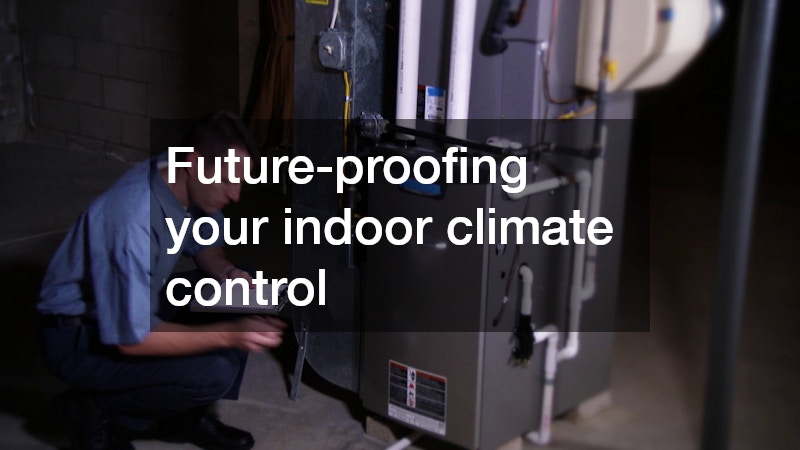
Most forced-air heating and cooling systems have a predictable service life of fifteen to twenty years. As units approach the end of this window, their efficiency plummets, and mechanical components fail with increasing frequency.
- Monitor System Cycle Behaviors: Keep track of short-cycling, where the system turns on and off rapidly, or situations where the equipment runs continuously without reaching the thermostat setpoint.
- Execute Load Calculations: Never guess system sizes; ensure your technician calculates the proper capacity based on square footage, insulation values, and window orientations.
- Upgrade for High Efficiency: Transition to modern heating and cooling units with superior SEER2 and AFUE ratings to lower your monthly utility costs significantly.
- Trust Certified Specialists: Engaging in a complete, modernized hvac installation requires skilled technicians who understand complex refrigeration lines and electrical demands.
- Establish Zone Controls: Consider integrating motorized dampers or multi-zone systems during installation to regulate temperatures independently across different levels of the home.
Keeping your cooling system at peak performance
Air conditioners are remarkably resilient, but they are not self-sustaining. Air conditioning units work by transferring heat from inside the home to the outside air, a process that requires completely clean, unobstructed components.
- Clear External Obstructions: Maintain a clear, two-foot perimeter around your outdoor condenser unit by cutting back overhanging branches, shrubs, and tall weeds.
- Clean Condenser Coils Regularly: Dirt, grass clippings, and cottonwood fuzz accumulate on coil fins, insulating the unit and forcing the compressor to run dangerously hot.
- Straighten Bent Aluminum Fins: Use a specialized fin comb to carefully straighten bent exterior grill fins, ensuring optimal airflow through the condenser.
- Schedule Pre-Season Tune-Ups: Booking an annual air conditioning service guarantees that electrical capacitors are tested, electrical contacts are cleaned, and refrigerant levels are verified.
- Clear the Condensate Drain: Keep the indoor evaporation tray and drain line clear of algae and slime to prevent water from backing up and damaging your ceilings or floors.
Ensuring reliable, safe winter heating
A malfunctioning heating system isn’t just an inconvenience; in freezing weather, it can cause bursting water pipes and severe structural damage. Furthermore, older combustion systems pose a hidden risk of carbon monoxide poisoning if internal components crack.
- Inspect the Heat Exchanger: Have a technician check for microscopic cracks in the heat exchanger, which can allow deadly carbon monoxide to leak into your home’s air supply.
- Assess Venting Integrity: Ensure that old, corroding metal exhaust pipes are swapped out for modern, securely sealed venting structures that safely carry combustion gases outside.
- Partner with Qualified Pros: Working with a certified furnace installer ensures that gas line pressures are calibrated perfectly, preventing rough ignitions and erratic burner performance.
- Test Safety Limit Switches: Verify that safety sensors, which shut down the unit if it overheats or fails to ignite properly, are fully operational.
- Upgrade to Electronic Ignition: Eliminate old-fashioned, wastefully continuous pilot lights by switching to a modern furnace utilizing reliable hot-surface or intermittent spark ignition.
Purging the hidden dust in your breathing zones
While homeowners are diligent about replacing the visible return air filters every few months, the vast network of supply and return ductwork hidden behind walls and under floors is completely out of sight.
- Recognize Signs of Accumulation: Watch for thick layers of dust reforming on furniture shortly after cleaning, or visible puffing of dust from supply registers when the fan kicks on.
- Evaluate System Airflow Resistance: Thick blankets of debris inside the duct network act as a physical bottleneck, forcing your HVAC blower motor to work harder and wear out faster.
- Utilize Negative-Pressure Equipment: Hire an experienced duct cleaning company that uses truck-mounted vacuum collection systems combined with automated agitation brushes.
- Decontaminate Following Renovations: Always arrange for a deep ventilation cleaning immediately following drywall, flooring, or structural construction projects inside the home.
- Seal Supply Duct Joints: While components are being serviced, have accessible duct joints sealed with mastic or foil tape to prevent conditioned air from escaping into unconditioned spaces.
Restoring flow before a backup occurs
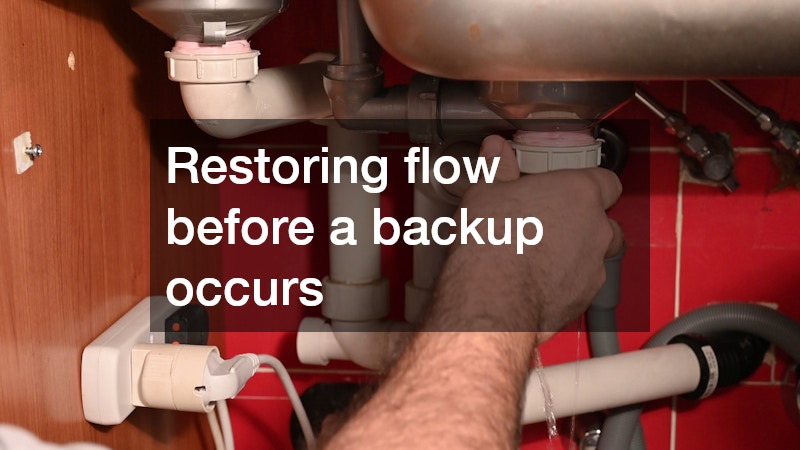
Drains are easily taken for granted until they stop working entirely. In the bathroom, hair, soap scum, and grooming products combine to form sticky blockages deep within the branch lines. In the kitchen, cooking fats and food debris solidify along the pipe walls.
- Abandon Caustic Chemical Cleaners: Avoid poured liquid chemicals, as their corrosive chemical reactions generate intense heat that deforms PVC and accelerates the degradation of old cast iron.
- Address Sluggish Drains Early: Act immediately when a sink or tub begins to drain slowly or gurgles, as this indicates a partial clog that will inevitably become a total blockage.
- Employ Safe Mechanical Clearing: Utilize a professional drain cleaning service to clear lines using heavy-duty motorized snakes or specialized hydro-jetting equipment that scours the pipe walls clean.
- Prevent Tree Root Intrusion: Routinely clear the main sewer line if you have older clay pipes and mature trees on your property to stop roots from completely collapsing the line.
- Install Drain Strainers: Implement mesh strainers in every tub, shower, and kitchen sink to catch hair and solid food waste before it ever enters the plumbing network.
Auditing your home’s invisible pipe network
The vast majority of a home’s plumbing system is hidden behind drywall, under floors, and within unheated crawlspaces. Because it is out of sight, issues like pinhole leaks, high water pressure, and localized pipe corrosion can go completely unnoticed.
- Perform regular visual inspections: Check under sink cabinets, around water heaters, and along exposed basement pipes for dampness, green corrosion, or white mineral crusts.
- Monitor your water utility meter: Check your water meter dial when all water-using appliances are completely off; if the dial is spinning, you have a hidden leak.
- Test incoming residential water pressure: Keep a pressure gauge handy to ensure your home stays between forty and sixty PSI, as high pressure destroys appliance valves and pipe joints.
- Consult licensed technicians for upgrades: Partner with a reputable plumbing company to install pressure-reducing valves, whole-home water softeners, or to plan the replacement of outdated galvanized lines.
- Maintain the water heater anode rod: Check and replace the sacrificial anode rod every three to five years to prevent the internal steel tank from rusting out prematurely.
Monthly and seasonal checkpoints you shouldn’t skip
Consistency is the secret to low-cost homeownership. Dedicating just one hour a month to basic checks prevents minor issues from compounding into expensive professional interventions.
- Every Single Month: Swap out your HVAC air filters, test all smoke and carbon monoxide detectors, and visually inspect the water connections beneath every sink.
- Every Spring Season: Clear winter debris out of gutters, examine roof shingles from the ground for damage, and clear away dead leaves from the outdoor AC unit before starting it.
- Every Summer Season: Check exterior siding for peeling paint or wood rot, inspect window screens for tears, and check that the ground soil slopes away from the foundation.
- Every Fall Season: Flush accumulated sediment out of the water heater tank, clear fallen leaves from gutters, and disconnect garden hoses to prevent outdoor spigots from freezing.
- Every Winter Season: Check the attic space during hard freezes for frost or condensation buildup, inspect weatherstripping on exterior doors, and monitor basement walls for moisture during thaws.
Mapping out a long-term capital improvement budget

Every component of a house has a ticking clock. Even with perfect maintenance, roofs wear out, structural components age, and mechanical systems eventually require replacement.
- Inventory All Major Assets: Create a dedicated spreadsheet tracking the installation date, estimated lifespan, and general condition of your roof, HVAC units, siding, and major appliances.
- Estimate Replacement Expenses: Research current local replacement costs for these large systems with a roofing contractor so you are not shocked by the actual market pricing when the time comes.
- Calculate Annual Savings Goals: Divide the projected replacement cost of a system by its remaining years of life to figure out exactly how much money to set aside each month.
- Avoid High-Interest Emergency Loans: Building a dedicated home maintenance capital fund allows you to pay cash for major upgrades rather than relying on high-interest financing during a crisis.
- Execute Upgrades Strategically: Planning replacements well in advance lets you shop for off-season discounts, research modern materials, and select the best contractors without being forced into a rushed decision.
Improving and prolonging a functional home is an ongoing process of stewardship. The physical structure we inhabit represents both a sanctuary for daily life and one of the largest financial investments most people will ever make. By treating home maintenance as a continuous commitment rather than a series of sporadic crises, you shift the trajectory of your property from steady decline to lasting resilience.
Investing in the structural envelope ensures that water and wind remain outside, while optimizing internal HVAC and plumbing systems keeps the home efficient and safe. These intentional steps do more than just protect the physical wood, concrete, and steel; they provide invaluable peace of mind. When a house is cared for systematically, it stops being a source of unpredictable anxiety and transforms into a reliable, high-performing asset that comfortably supports your life for generations to come.