 By
By 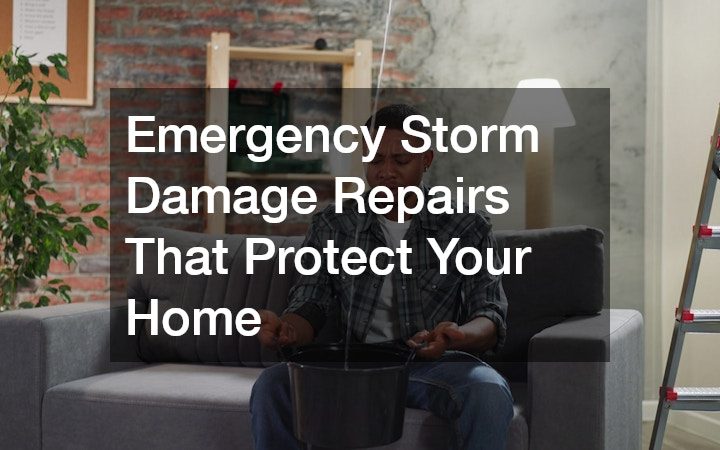
Severe weather can change the condition of a home in a matter of minutes. High winds, heavy rain, snow accumulation, and falling debris all place sudden stress on roofing systems, siding, windows, foundations, and mechanical components. When these events occur, homeowners are often forced to make fast decisions that affect not only immediate safety but also the long-term integrity of the property. Emergency storm damage repairs play a critical role in stabilizing a home after extreme weather and preventing secondary issues from developing.
Many homeowners underestimate how quickly minor damage can escalate after a storm passes. Small openings allow water intrusion, temperature fluctuations stress weakened materials, and structural shifts compromise systems that previously functioned without issue. Addressing problems early helps preserve the home’s envelope, protects interior spaces, and reduces the likelihood of long-term deterioration. Storm-related emergencies are rarely isolated to one area, which is why a comprehensive approach is essential.
Storm damage repairs are most effective when they prioritize protection first, followed by restoration. Temporary measures such as tarping, boarding, and debris removal are often necessary before permanent solutions can be implemented. These steps create stability, allowing professionals to assess damage accurately and recommend repairs that align with the home’s construction, age, and environment. Acting quickly also helps homeowners document damage properly for insurance and planning purposes.
Understanding how storms affect different parts of a home empowers property owners to respond more confidently during stressful situations. Each system—exterior, interior, mechanical, and environmental—plays a role in maintaining safety and comfort. By approaching emergency storm damage repairs with a structured mindset, homeowners can move from crisis response to long-term resilience while protecting both their investment and their peace of mind.
Assessing Structural Risks After Severe Weather
The priority after a major storm is evaluating whether the home is structurally sound. Strong winds, flooding, and impact from debris can compromise framing, load-bearing walls, roof supports, and foundations. Even when visible damage appears minimal, underlying stress may exist beneath surfaces. Conducting a thorough assessment helps determine whether the home is safe to occupy and where immediate intervention is required.
Storm-related structural damage often presents subtle warning signs. Cracks along walls or ceilings, doors that no longer close properly, and uneven floors may indicate shifting or settling. Rooflines that appear sagged or misaligned suggest that the supports have weakened. These issues may not always be obvious immediately, which is why professional inspections are valuable following severe weather events.
Emergency stabilization is a critical phase of storm damage repairs. Temporary bracing, shoring, or reinforcement can prevent further movement until permanent repairs are planned. These measures reduce the risk of collapse and allow other systems to be addressed safely. In some cases, portions of the home may need to be restricted until structural integrity is restored. Environmental factors also play a role in structural risk. Saturated soil can undermine foundations, while prolonged moisture exposure accelerates material degradation. Addressing drainage issues and monitoring ground conditions helps limit ongoing stress to the structure. When repairs are delayed, small shifts can compound into major reconstruction needs.
A comprehensive structural evaluation sets the foundation for all subsequent storm damage repairs. By identifying vulnerabilities early, homeowners can prioritize resources effectively and ensure that restoration efforts support long-term stability rather than temporary fixes.
Protecting the Building Envelope From Water Intrusion
The building envelope acts as the home’s primary defense against the elements. Storms often exploit weaknesses in this barrier, allowing water and air to penetrate areas not designed for exposure. Once moisture enters the home, it can spread quickly through insulation, framing, and interior finishes, creating costly and persistent problems.
Roof damage is a common entry point for water intrusion. Missing shingles, punctures from debris, and lifted flashing expose underlying materials. Temporary coverings help limit exposure, but permanent repairs are necessary to restore full protection. Exterior walls are also vulnerable, especially when impact or wind-driven rain compromises siding and seals.
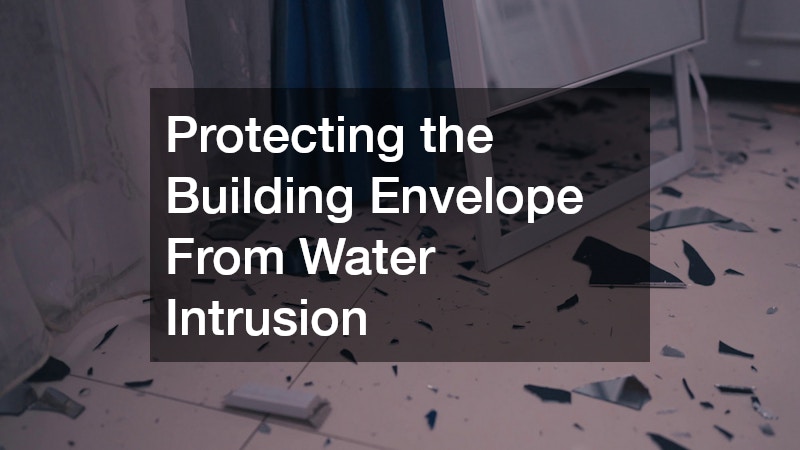
Windows and doors require particular attention after storms. Broken glass, damaged frames, and failed seals reduce energy efficiency and invite moisture intrusion. In some cases, window replacement services become necessary when damage affects both performance and safety. Addressing these issues promptly helps maintain indoor comfort and prevents water from reaching interior surfaces.
Storm damage repairs often involve restoring continuity across multiple envelope components. Sealing gaps, replacing compromised materials, and reinforcing vulnerable areas work together to reestablish a reliable barrier. Proper installation techniques and compatible materials are essential for long-term effectiveness. By prioritizing envelope protection, homeowners reduce the likelihood of interior damage and secondary complications. A secure exterior allows other repair efforts to proceed with confidence, ensuring that the home remains resilient against future weather events.
Managing Water Damage and Indoor Environmental Concerns
Water damage extends beyond visible pooling or staining. Moisture can infiltrate hidden spaces, affecting air quality, structural components, and personal belongings. Managing water intrusion effectively is a critical aspect of emergency response and long-term recovery. Immediate water removal limits the spread of damage. Wet materials should be dried quickly to prevent deterioration and microbial growth. When moisture lingers, conditions become favorable for mold remediation, which often requires specialized equipment and expertise. Addressing moisture promptly reduces the scope and cost of restoration.
Indoor air quality can also suffer after storms. Contaminated water, debris, and organic matter introduce pollutants into the home environment. In some situations, homeowners turn to water distillers and filtration systems to improve water quality following flooding or infrastructure disruption. Ensuring clean water access supports overall household health during recovery.
Storm damage repairs in this phase often involve coordination between drying, cleaning, and rebuilding efforts. Materials that cannot be salvaged must be removed, while salvageable components require careful treatment. Ventilation and humidity control play essential roles in restoring a safe indoor environment. By managing water damage comprehensively, homeowners protect both their property and their health. This approach minimizes long-term consequences and supports a smoother transition from emergency response to full restoration.
Addressing Exterior Damage and Surrounding Hazards
Storms frequently leave behind exterior hazards that threaten safety and impede repairs. Fallen branches, displaced debris, and compromised outdoor structures create obstacles that must be addressed before restoration can proceed effectively.
In some cases, wildlife seeks shelter in damaged areas, leading homeowners to rely on animal removal professionals to safely clear attics, crawl spaces, or wall cavities. Removing these hazards protects both occupants and the animals involved while preventing further damage.
Snow and ice storms present unique challenges, particularly when accumulation places stress on roofs and access points. Proper use of snow removal equipment helps reduce load-related risks and improves accessibility for emergency crews. Clearing pathways also enhances safety for occupants during recovery efforts.
Exterior restoration often involves collaboration with local siding companies to repair or replace damaged materials. Siding plays a key role in weather resistance, and restoring it promptly helps prevent moisture intrusion and energy loss. Matching materials and installation methods ensures consistency and durability. Storm damage repairs that address exterior hazards create a safer environment for ongoing work. Clearing obstacles and stabilizing outdoor elements allows homeowners and professionals to focus on comprehensive restoration without unnecessary risk.
Ensuring Safety During Emergency Repair Efforts
Safety is a critical consideration throughout the repair process. Storm-damaged homes present numerous hazards, including exposed wiring, unstable structures, and contaminated materials. Taking precautions protects both occupants and professionals involved in restoration.
Personal protective measures are often supported by safety equipment services, which provide tools designed to reduce risk during cleanup and repair. Helmets, gloves, respiratory protection, and fall-prevention systems all contribute to a safer working environment. Electrical and mechanical systems require careful handling after storms. Water exposure increases the risk of shock or malfunction, making professional assessment essential before reactivation. Securing these systems prevents accidents and ensures compliance with safety standards.
Storm damage repairs benefit from a methodical approach that prioritizes hazard identification and mitigation. Establishing safe zones, limiting access to unstable areas, and following recommended protocols help prevent injuries. Clear communication among all parties involved further enhances safety outcomes. By emphasizing safety, homeowners ensure that repair efforts progress efficiently and responsibly. This focus supports both immediate recovery and long-term peace of mind.
Restoring Mechanical and Utility Systems
Storms often disrupt critical systems that support daily living. Heating, cooling, plumbing, and waste management infrastructure may sustain damage that is not immediately visible but significantly affects functionality.
Flooding and soil saturation can compromise underground components, making septic tank repairs necessary to restore proper waste management. Addressing these issues promptly prevents contamination and protects surrounding property. Mechanical systems such as heating and cooling units are also vulnerable. Exposure to water or debris may impair performance, leading homeowners to seek heat pump repair services to restore efficiency and reliability. Proper servicing extends equipment lifespan and ensures consistent comfort.
Utility restoration is an integral part of storm damage repairs. Coordinating inspections and repairs across systems helps prevent cascading failures. Ensuring that each system functions correctly supports a smooth return to normal living conditions. By addressing mechanical and utility needs comprehensively, homeowners reinforce the home’s overall resilience. Reliable systems contribute to comfort, safety, and long-term property value following severe weather events.
Planning for Long-Term Resilience After Storm Recovery
Once immediate repairs are complete, homeowners often shift focus toward strengthening their property against future storms. Long-term planning transforms recovery into an opportunity for improvement and risk reduction.
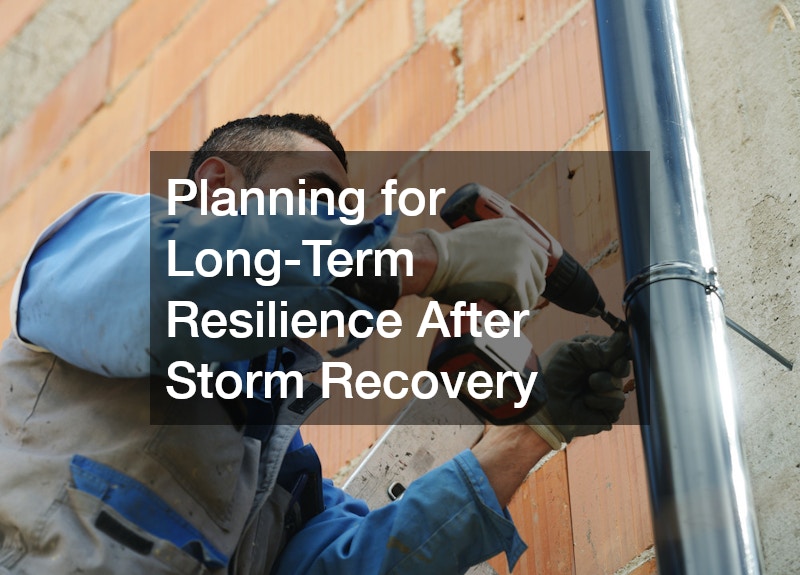
Evaluating patterns of storm damage helps identify vulnerabilities. Reinforcing weak points, upgrading materials, and improving drainage systems all contribute to greater resilience. These measures reduce the likelihood of recurring issues and support more efficient storm damage repairs in the future. Documentation plays an important role in long-term planning. Keeping records of repairs, inspections, and upgrades provides valuable reference for maintenance and insurance purposes. Proactive maintenance schedules help preserve improvements and extend their effectiveness.
Community resources and professional guidance support informed decision-making. By investing in durable solutions and preventive strategies, homeowners protect their property and enhance its ability to withstand severe weather. Long-term resilience ensures that the home is better prepared for whatever conditions lie ahead. Thoughtful planning transforms emergency response into lasting protection and stability.
Coordinating Repairs With Professional Support
Effective recovery often depends on collaboration with experienced professionals. Coordinating efforts across specialties ensures that repairs address both visible and hidden damage comprehensively.
Storm damage repairs benefit from clear communication and realistic timelines. Understanding the sequence of work—from assessment to stabilization to restoration—helps homeowners manage expectations and resources effectively. Professional guidance supports informed choices and reduces the risk of overlooked issues. Insurance coordination is another important aspect of the process. Accurate documentation and professional assessments help support claims and streamline approvals. Timely repairs also demonstrate responsible property management.
By working closely with qualified experts, homeowners achieve more durable and efficient outcomes. Professional support transforms a challenging situation into a structured recovery process that protects the home for years to come.
Building Confidence Through Preparedness and Maintenance
Preparedness reduces the impact of future storms and supports faster recovery. Regular maintenance, inspections, and upgrades strengthen the home’s defenses and reduce the scope of emergency interventions. Homeowners who invest in preventive measures often experience fewer disruptions and lower repair costs. Addressing minor issues before storms strike helps minimize the need for extensive storm damage repairs later on. Preparedness also enhances safety for occupants and responders alike.
Maintenance plans tailored to regional weather patterns provide targeted protection. Understanding local risks allows homeowners to prioritize improvements that offer the greatest benefit. By embracing preparedness as an ongoing practice, homeowners build confidence in their ability to respond effectively to severe weather. This proactive mindset supports long-term protection and peace of mind.
Moving Forward After Emergency Storm Damage Repairs
Recovering from a storm is both a technical and emotional process. While repairs restore physical structures, they also help reestablish a sense of security and normalcy. Approaching recovery with a clear plan and informed perspective makes the journey more manageable.
Storm damage repairs represent more than restoration; they are an investment in the home’s future. Each improvement strengthens resilience and supports long-term value. By prioritizing quality, safety, and comprehensive solutions, homeowners protect what matters most.
Moving forward with confidence allows households to focus on daily life rather than lingering concerns. Thoughtful repairs and preventive strategies ensure that the home remains a safe, comfortable refuge no matter what weather challenges arise next.